
For many Australian homeowners, the transition to solar energy was the first step toward energy independence. However, simply having solar panels is often only half the battle. If you’re exporting the bulk of your generated energy to the grid during the day for a minimal feed-in tariff, only to pay full price for electricity at night, you’re not getting the full return on your investment.
The missing piece of the puzzle is solar battery storage. By capturing the excess energy your panels produce during the day, you can power your home around the clock, drastically reducing your reliance on the grid and slashing your quarterly power bills.
Understanding Solar Battery Storage
At its core, solar battery storage is a system that allows you to store the surplus electricity generated by your solar photovoltaic (PV) system. Without a battery, any energy your home doesn’t use immediately is sent back to the electricity grid. While feed-in tariffs used to be generous, they have dropped significantly across Australia.
By installing a home battery system, you create a buffer. Instead of selling your power for a few cents and buying it back for thirty or forty cents, you keep it for yourself. This shift from energy consumer to prosumer is one of the most effective ways to combat rising electricity costs in New South Wales and beyond.
How Solar Battery Storage Works
A typical solar setup includes solar panels, an inverter, and a battery system. During the day, solar panels generate electricity from sunlight.
Here’s how the process works:
- Solar panels produce electricity
- Your home uses the energy first
- Excess energy is stored in the battery
- Stored energy is used when solar production stops
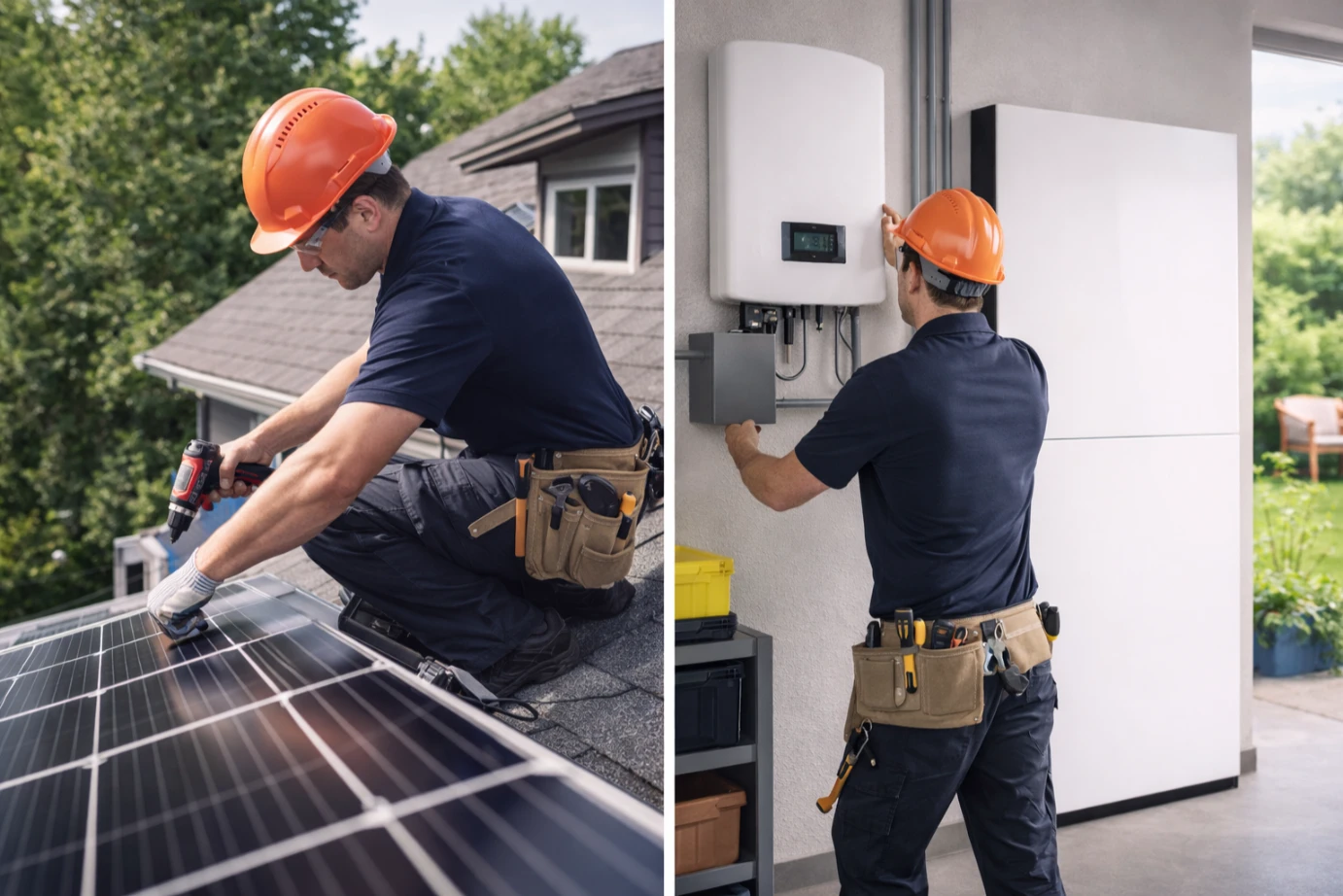
This simple system allows homeowners to maximise the value of every kilowatt-hour they generate. Professional solar and battery installation ensures every component is correctly integrated and running at peak efficiency from day one.
How Solar Batteries Slash Your Monthly Costs
1. Eliminating Peak-Time Charges
Many electricity retailers use Time of Use (ToU) billing. This means electricity is most expensive during the evening (usually 5 pm to 9 pm) when families are cooking, cleaning, and using heating or cooling. Ironically, this is exactly when solar production stops.
With solar battery storage, your home automatically switches from the grid to battery power during these peak windows. By avoiding the most expensive rates of the day, the savings accumulate rapidly.
2. Increasing Self-Consumption
The goal of a modern solar setup is to achieve the highest possible self-consumption rate. Most households without storage only use around 30% of the energy their panels produce. The rest is effectively sent back to the grid for a fraction of what it cost to generate. Adding a battery can push your self-consumption to 80% or even higher, meaning the energy you generate is actually the energy you use.
3. Protection Against Rising Tariffs
Energy prices have historically trended upward. By investing in a home energy storage system, you are essentially locking in your electricity rate for the next decade. Every kilowatt-hour stored in your battery is a kilowatt-hour you don’t have to buy from an energy retailer at future inflated prices.
Maximising Efficiency with Modern Electrical Solutions
To get the most out of your battery, your home’s electrical infrastructure must be up to the task. If you are living in an older home, it is often worth consulting an electrician to ensure your switchboard and wiring are compatible with high-capacity storage systems.
In some cases, a switchboard upgrade is necessary to handle the integration of a battery and to ensure that your home remains safe while managing these larger energy loads. A modern switchboard allows for better monitoring of your energy usage, helping you identify which appliances are draining your battery too quickly.
Integrating Other Sustainable Technologies
Solar battery storage works best when integrated into a whole-home energy plan. For example, many homeowners are now looking into EV charger installation. Charging an electric vehicle can be a significant drain on the grid; however, if you have a robust battery system, you can charge your car using stored solar energy, effectively making your daily commute free.
Furthermore, ensuring your home is energy-efficient from the start is vital. If you are planning a home renovation, consider how your electrical fit-out can support smart home devices and battery storage. Integrating these systems during the renovation phase is significantly more cost-effective than retrofitting them later.
Reliability and Maintenance
While solar batteries are generally low-maintenance systems, they do require professional installation to ensure they operate at peak efficiency. It is also important to have a reliable team available for electrical repairs or routine maintenance. A battery is a significant investment, and keeping it in top condition ensures it continues to save you money for its entire lifespan (usually 10 to 15 years).
For those unexpected moments, such as a system fault or a power surge affecting your battery backup, having access to an emergency electrician ensures your home stays powered and your fridge keeps running.
Choosing the Right Solar Battery System
Not all battery systems are the same. Choosing the right one depends on your energy needs and budget.
Battery Capacity
Measured in kilowatt-hours (kWh), capacity determines how much energy the battery can store.
Battery Type
Common types include:
- Lithium-ion batteries (most popular)
- Lead-acid batteries (less common today)
Lithium-ion batteries are more efficient, longer-lasting, and require less maintenance.
System Compatibility
Your battery system must be compatible with your existing solar panels and inverter. Professional solar battery installation services ensure seamless integration.
Warranty and Lifespan
Most modern batteries come with warranties ranging from 5 to 15 years. Choosing a reliable system ensures long-term performance.
The Environmental Impact
Beyond the financial savings, solar battery storage is a cornerstone of a sustainable lifestyle. By using more of your own renewable energy, you reduce the demand on coal-fired power stations. This significantly lowers your household’s carbon footprint, contributing to a greener future for Australia.
Future of Solar Battery Storage in Australia
As technology improves and costs continue to fall, solar battery storage is becoming more accessible for homeowners. Government incentives and increased demand for renewable energy are also driving adoption. In the future, battery systems may become a standard feature in Australian homes.
Ready to Cut Your Power Bills? Here’s How to Get Started
Investing in solar battery storage is one of the smartest moves an Australian homeowner can make. By storing and using your own renewable energy, you avoid peak tariff charges, reduce your reliance on the grid, and get the maximum return from your solar panels. Whether you’re looking for a complete home energy storage system or simply want to upgrade your existing setup, Bucks Electrical has you covered. Our team delivers professional solar and battery installation, switchboard upgrades, and ongoing support right across Sydney.
Call 0413 999 692 today to book a consultation and start saving on your energy bills.


