
Replacing an apartment hot water system isn’t as simple as swapping one unit for another. Apartments come with space constraints, electrical limits, strata rules, and shared infrastructure that can complicate what might otherwise be a straightforward upgrade.
Before committing to a replacement, it’s important to understand what needs checking to avoid compliance issues, unexpected costs, or future breakdowns. For apartment owners and investors in Sydney’s Eastern Suburbs, careful preparation can save time, money, and stress.
Is Replacement Really Necessary?
Not every hot water issue means the entire unit needs replacing. Problems such as inconsistent temperatures, slow heating, or tripped circuits can often be resolved through professional hot water repair services.
A qualified electrician or technician can assess whether the issue lies with the heating element, thermostat, wiring, or power supply. In many cases, repairs restore performance at a fraction of the cost of full replacement.
However, if the unit is nearing the end of its lifespan or repeatedly failing, replacement may be the safer long-term option.
Check the Age and Type of Your System
Most apartment hot water systems last between 8 and 12 years, depending on usage and water quality. If your system is older, efficiency drops, and the risk of failure increases.
Before replacing the unit, confirm:
- The current unit’s capacity and power requirements
- Whether it’s storage or instantaneous
- How it’s mounted or positioned within the apartment
Replacing a like-for-like system is often the simplest approach, but it’s not always possible in apartments due to updated standards or space restrictions.
Electrical Capacity and Switchboard Readiness
One of the most overlooked steps when replacing apartment hot water systems is checking whether your electrical system can support a new unit. Modern systems may require higher electrical loads, which older apartments weren’t designed for.
A professional assessment should include:
- Circuit capacity and condition
- Safety switches and circuit protection
- Switchboard space and compliance
If the electrical system isn’t suitable, upgrades may be required before installation. This is especially important in apartments where emergency electrical services are harder to access after hours.
Strata and Building Requirements
Apartments fall under strata management, which often means additional approvals are required before replacing major fixtures. Some buildings have strict rules around:
- Unit size and placement
- Noise levels
- Power usage limits
- Drainage and overflow protection
Before ordering a new unit, check with your strata manager or building bylaws. Failing to do so can delay installation or result in costly changes.
Location, Access, and Safety
Many units in apartments are installed in cupboards, balconies, or shared service areas. Accessibility plays a big role in replacement costs and feasibility.
A proper pre-replacement check looks at:
- Clearance for removal and installation
- Ventilation and heat dissipation
- Safe isolation of power during works
Tight access can increase labour time and make planning essential, especially in multi-storey buildings.
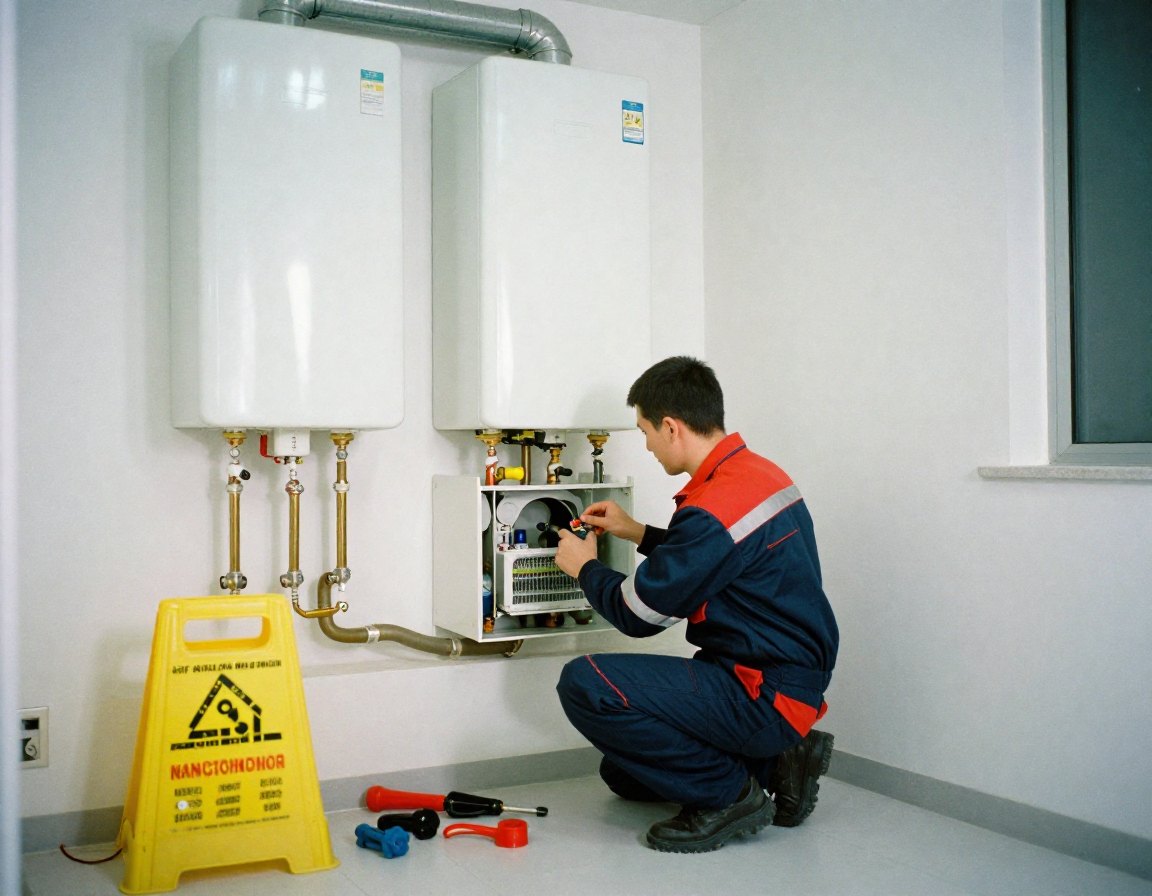
Energy Efficiency and Ongoing Costs
While upfront cost matters, running costs are just as important. Newer systems are more energy efficient and can significantly reduce electricity usage over time.
When considering replacement, compare:
- Energy ratings
- Heating recovery times
- Compatibility with off-peak tariffs
Balancing efficiency with electrical capacity ensures reliable hot water delivery without overloading circuits.
Plan for Emergencies
System failures often happen without warning. Burst tanks, electrical faults, or total system failure can quickly become urgent, particularly in apartments with shared infrastructure.
Knowing who to call for emergency electrical services and hot water repair services before a breakdown happens can save valuable time and prevent further damage.