
Receiving an electrical defect notice can be alarming, especially if you’re unsure what it means or how urgent the situation is. These notices are issued when electrical infrastructure or installations at a property do not meet safety standards or present a safety hazard.
The good news is that most issues can be resolved quickly with professional electrical repairs. In this guide, we’ll explain what an electrical defect notice is, why it happens, and what steps you should take to resolve it safely and legally.
What Is an Electrical Defect Notice?
An electrical defect notice is an official warning issued by an electricity distributor or network operator when part of a property’s electrical system does not comply with electrical safety regulations.
The notice alerts the property owner that repairs or upgrades must be completed within a specific timeframe. This ensures that electrical hazards are corrected before they lead to accidents or service disconnection.
Electrical defect notices are typically related to:
- Damaged electrical wiring
- Unsafe switchboards
- Exposed electrical components
- Meter box issues
- Faulty service connections
Once the notice is issued, a licensed electrician must complete the necessary work to restore compliance.
Why Electrical Defect Notices Are Issued
Electrical authorities aim to prevent safety risks before they escalate. When inspectors identify hazards during routine inspections or maintenance work, they issue a notice to ensure the issue is addressed.
Common reasons include:
Damaged or Exposed Wiring
Over time, electrical wiring can deteriorate due to weather exposure, rodents, ageing insulation, or accidental damage. Exposed wiring increases the risk of electric shock and fire hazards. Professional electrical repair services are required to replace damaged wiring and ensure the system is properly insulated.
Faulty Switchboards
Older switchboards may not meet current safety standards. Outdated fuse boxes often lack safety switches and proper circuit protection. Upgrading the switchboard improves electrical safety and ensures compliance with modern regulations.
Unsafe Meter Box Installations
Meter boxes protect important electrical infrastructure. If they are damaged, poorly secured or incorrectly installed, authorities may issue an electrical defect notice.
A licensed electrician can repair or replace the meter box and ensure it meets safety requirements.
Overhead Service Cable Issues
The overhead cable connecting your home to the electricity network may become loose, damaged, or incorrectly positioned. Electrical maintenance professionals can repair these service lines and prevent dangerous situations.
Poor Earthing Systems
Earthing systems protect people from electric shock by safely directing electrical current into the ground during faults. If your home’s earthing system is missing or defective, authorities may issue an electrical defect notice until repairs are completed.
What Happens After You Receive an Electrical Defect Notice?
If you receive a notice, it’s important to act quickly.
Typical steps include:
- Read the notice carefully – It explains the specific problem and deadline for repairs.
- Contact a licensed electrician – Only qualified professionals can perform electrical compliance work.
- Schedule repairs or upgrades – This may include electrical fault finding, wiring repairs, or switchboard upgrades.
- Submit a compliance certificate – Once the work is completed, the electrician provides a Certificate of Electrical Safety confirming the repairs meet regulatory requirements.
Ignoring the notice can result in electricity disconnection until the required repairs are completed.
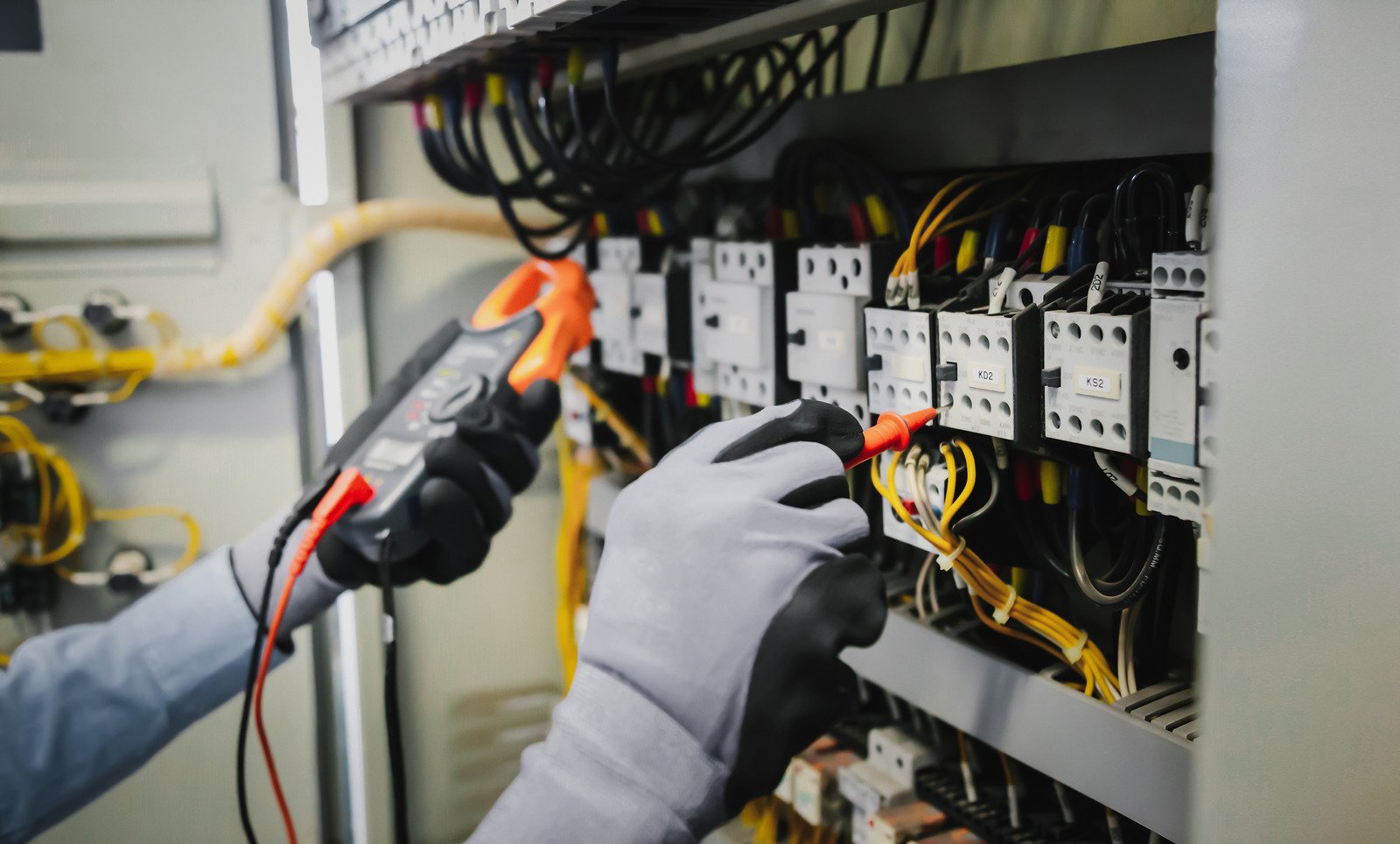
How Electricians Fix Electrical Defect Notices
The exact solution depends on the issue identified in the notice.
Common repairs include:
Switchboard Upgrades
Modern switchboards include safety switches and circuit breakers that protect homes from electrical faults. Upgrading the switchboard improves safety and ensures the electrical system meets Australian Standards.
Electrical Fault Finding
Sometimes the problem isn’t immediately visible. Electricians use specialised testing equipment to locate hidden electrical faults. Fault-finding services identify wiring issues, damaged connections, and other safety risks.
Wiring Repairs
Damaged cables or outdated wiring are replaced with compliant materials that meet modern safety requirements. These repairs restore safe power distribution throughout the property.
Meter Box Repairs
Meter box replacements or upgrades protect electrical infrastructure and ensure compliance with local energy provider standards.
Preventing Electrical Defect Notices
While some notices are unavoidable, routine electrical safety inspections can significantly reduce the risk.
Helpful preventive measures include:
- Scheduling electrical safety inspections
- Upgrading old switchboards
- Replacing outdated wiring
- Maintaining outdoor electrical components
- Addressing small electrical issues early
Routine maintenance helps ensure your electrical system remains compliant and safe.
Why Professional Electrical Services Matter
Electrical work must meet strict safety standards. Attempting DIY repairs can lead to serious risks, including electric shock, fire hazards, and legal penalties.
Licensed electricians provide:
- Safe electrical repairs
- Professional fault diagnosis
- Compliance with Australian Standards
- Proper documentation for electrical authorities
Hiring qualified professionals ensures your property remains safe and legally compliant.
Signs Your Home May Have Electrical Issues
Even without a notice, some warning signs indicate your electrical system needs attention.
Look out for:
- Frequent circuit breaker trips
- Flickering lights
- Burning smells from outlets
- Warm power points or switches
- Buzzing sounds from switchboards
If you notice any of these warning signs, arranging a professional electrical inspection is strongly recommended.
Why Electrical Safety Is Important
Electrical systems power almost every part of modern homes. When faults occur, they can escalate quickly if not addressed.
An electrical defect notice is designed to catch electrical hazards before they escalate into something far more serious.
By acting quickly and hiring qualified electricians, homeowners can ensure their electrical systems remain safe, reliable, and compliant.


