
Planning a renovation is exciting, but one area that should never be overlooked is home renovation electrical wiring. Whether you are updating a kitchen, extending your living space, or modernising an older property, electrical work plays a critical role in safety, functionality, and compliance.
Renovation electrical work involves much more than moving a few power points. It includes upgrading circuits, installing new lighting, ensuring switchboard capacity, and meeting strict Australian safety standards. Understanding the costs and compliance requirements helps you plan your renovation properly and avoid expensive surprises.
Why Electrical Wiring Matters in Renovations
During renovations, walls are opened, layouts change, and new appliances are installed. This often requires new circuits, upgraded cabling, and additional safety protection. Poor planning in this area can lead to overloaded circuits, unsafe installations, or costly rework.
Modern homes demand more power than older properties were designed to handle. Air conditioning systems, induction cooktops, and smart home technology all require reliable electrical infrastructure.
Understanding the Costs
The cost of electrical work during a renovation depends on the scope of the project. Factors include:
- Size of the renovation
- Age of the existing wiring
- Switchboard condition
- Number of new power points required
- Lighting installation requirements
- Appliance upgrades
Older homes often require switchboard upgrades to support new loads safely. While this increases upfront costs, it prevents electrical faults and ensures compliance with current Australian Standards.
Attempting shortcuts or partial upgrades may seem cheaper initially, but they can lead to higher long-term expenses.
Safety Comes First
Electrical safety is non-negotiable. All residential wiring and electrical installations must meet strict regulations under Australian law. Fixed wiring work must always be completed by a licensed electrician.
Incorrect wiring can cause serious hazards, including electric shock, appliance damage, and fire risk. Safety switches must be properly installed, and circuits must be tested to confirm compliance.
Renovations are also the ideal time to upgrade smoke alarms to meet modern safety requirements. A professional electrician ensures that every component of your system is safe and certified.
Compliance and Legal Requirements
In Australia, any renovation electrical work involving fixed wiring must be carried out by a licensed electrician. This includes relocating power points, installing new lighting circuits, upgrading switchboards, and connecting major appliances.
Non-compliant work can lead to fines, voided insurance, and issues when selling your property. Electrical compliance certificates provide proof that all work meets required standards.
Hiring a qualified electrician protects both your investment and your legal obligations.
Switchboard Upgrades During Renovation
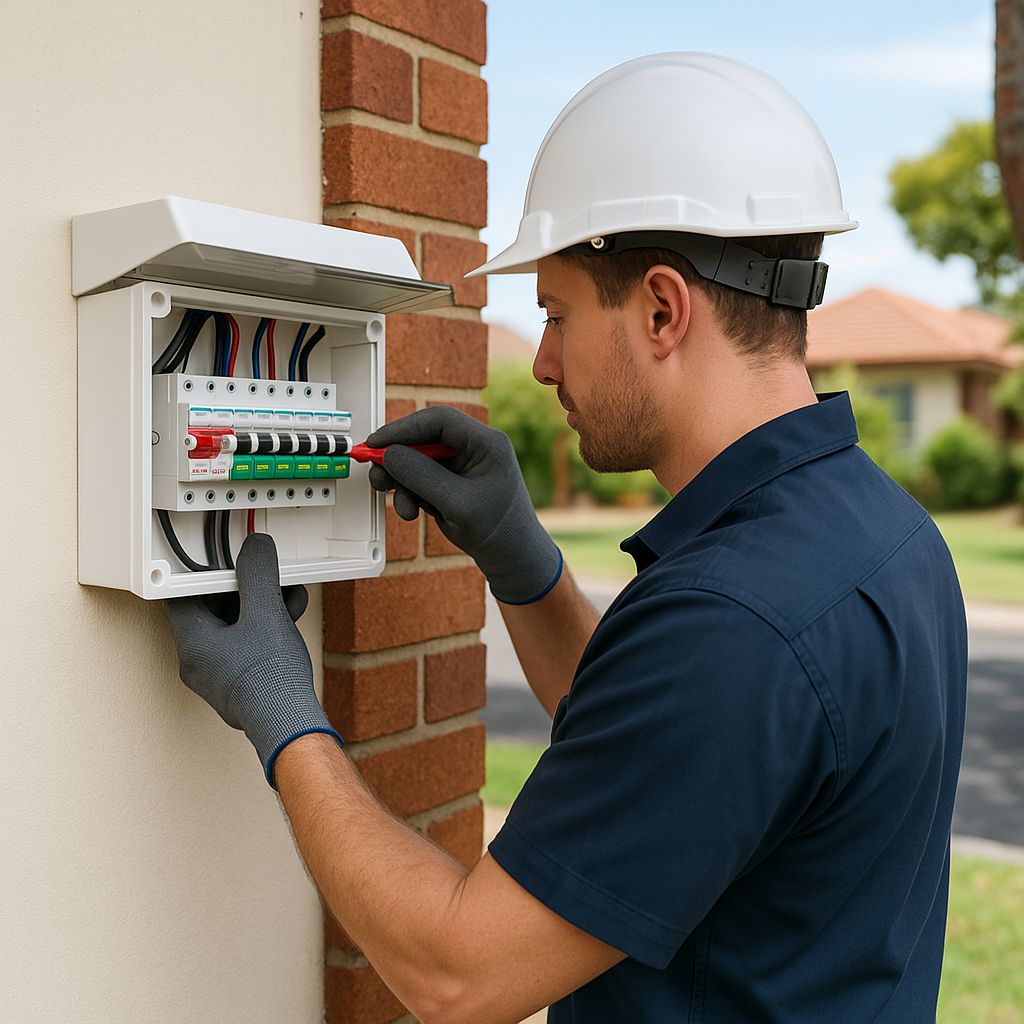
Many renovation projects reveal outdated switchboards that cannot safely handle increased electrical demand. Switchboard upgrades are often necessary when adding new circuits or modern appliances.
Upgrading ensures proper circuit protection and the installation of safety switches across required circuits. This significantly reduces fire risk and improves overall reliability.
Lighting and Power Planning
Renovations provide an opportunity to improve lighting installation and power layout. Strategic placement of power points, feature lighting, and energy-efficient systems enhances both practicality and property value.
Professional planning of your home renovation electrical wiring ensures that cables are routed correctly before walls are closed, preventing costly future modifications.
When to Call an Emergency Electrician
Unexpected faults can arise during renovations, especially in older properties. If exposed wiring, burning smells, or circuit failures occur, contacting an emergency electrician immediately is essential. Prompt professional response prevents delays and minimises potential damage.


