
Buying a property is one of the biggest investments you’ll ever make. While building inspections often focus on structure, plumbing, and visible defects, the electrical system is just as critical — and often overlooked. A professional pre-purchase electrical inspection helps uncover hidden risks that could affect safety, compliance, and long-term costs.
In the Eastern Suburbs of Sydney, many homes range from older terraces and apartments to modern renovations. Each property type comes with unique electrical challenges. Knowing what a quality inspection report should include gives buyers confidence and helps avoid unpleasant surprises after settlement.
Why a Pre-Purchase Electrical Inspection Matters
Electrical systems age quietly. Faulty wiring, overloaded circuits, outdated switchboards, and non-compliant work may not be obvious during a quick walk-through, but they can pose serious safety risks once you move in.
A thorough pre-purchase electrical inspection identifies issues before contracts are finalised. This allows buyers to negotiate repairs, budget accurately, or walk away from unsafe properties altogether. In many cases, the cost of an inspection is minor compared to the expense of urgent electrical upgrades discovered too late.
What a Good Electrical Inspection Report Should Cover
Not all inspection reports are equal. A professional report should go beyond surface-level checks and provide clear, actionable insights.
1. Switchboard Condition and Safety Devices
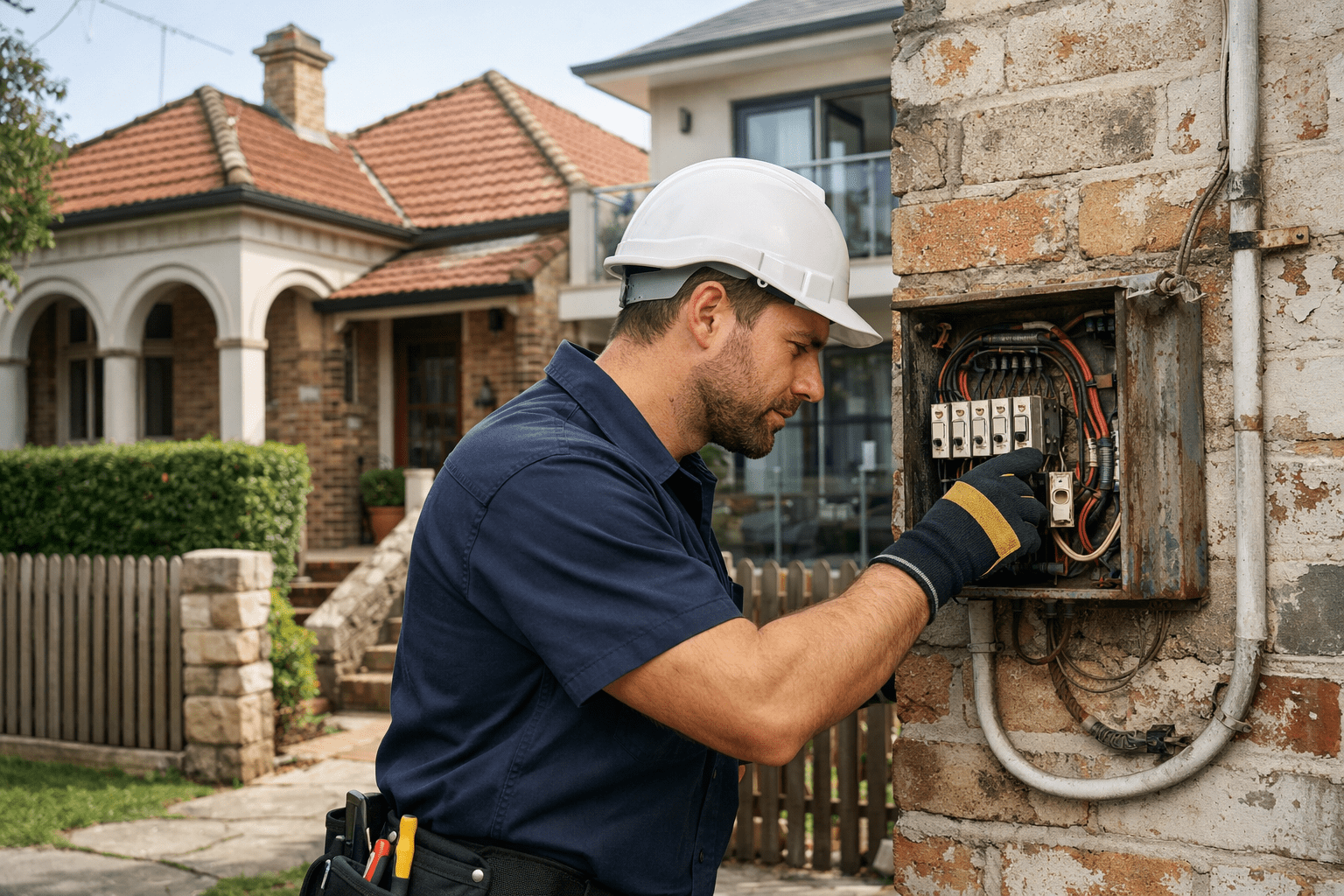
A quality report assesses the switchboard for age, condition, and compliance with current Australian Standards. This includes checking for safety switches, circuit breakers, proper labelling, and signs of overheating or corrosion. Older fuse-based boards are common in Eastern Suburbs homes and often require upgrading.
2. Wiring Type and Condition
Many properties still contain outdated wiring materials that degrade over time. A proper inspection identifies visible wiring types, insulation condition, and signs of wear. This is a key part of residential electrical services and helps determine whether partial or full rewiring may be needed.
3. Electrical Fault Findings
Professional inspectors look for existing or potential faults such as loose connections, overloaded circuits, damaged cables, and improper terminations. Clear electrical fault findings help buyers understand immediate safety risks versus issues that can be addressed over time.
4. Power Points, Switches, and Lighting
A good report includes checks on power outlets, switches, and light fittings. This ensures they are functioning correctly, safely installed, and not showing signs of overheating, cracking, or internal damage. Poor workmanship in these areas is common in DIY or older renovations.
5. Smoke Alarms and Compliance
Smoke alarms are legally required and must meet NSW regulations. An inspection should confirm correct placement, type, and operation. Non-compliant alarms are a common issue in older apartments and rental properties.
6. Earthing and Bonding
Proper earthing protects people and appliances from electric shock. A detailed inspection confirms that earthing systems are present and connected correctly. Missing or inadequate earthing is a serious safety concern and should be clearly documented.
7. Clear Recommendations and Risk Ratings
A quality inspection report doesn’t just list problems; it explains them. Buyers should receive clear recommendations, priority levels, and an indication of which issues are safety-critical versus general maintenance. This clarity is essential for informed decision-making.
Why Local Knowledge Matters in the Eastern Suburbs
Properties in the Eastern Suburbs often have unique characteristics, including heritage buildings, strata-managed apartments, and renovations completed across multiple decades. Inspectors familiar with local construction styles and common electrical issues provide more accurate assessments and practical advice.
Using local residential electrical services ensures findings are relevant, realistic, and aligned with regional compliance expectations.
When to Arrange the Inspection
A pre-purchase electrical inspection is best conducted during the cooling-off period or before auction, where possible. Early inspections provide leverage during negotiations and help avoid last-minute stress.
Even if a property looks modern, hidden electrical issues can still exist behind walls or within switchboards. An inspection offers peace of mind regardless of the property’s age.