
A safety switch is one of the most important electrical safety devices in any home or business. Its job is simple but critical. When it detects a fault, it cuts power instantly to reduce the risk of electric shock or fire. If your safety switch keeps tripping, it is doing its job, but it is also telling you that something is wrong and needs attention.
Across Sydney, frequent safety switch issues are common in older homes, renovated properties, and buildings with increased appliance loads. Understanding what causes the problem helps you decide whether it is a quick fix or a sign of a more serious electrical fault.
What a Safety Switch Actually Protects You From
A safety switch monitors the flow of electricity through a circuit. If it detects an imbalance, such as current leaking to earth through damaged wiring or a faulty appliance, it immediately shuts the power off.
When a safety switch keeps tripping, it typically indicates that electricity is escaping the circuit in a manner that poses a danger. Ignoring it or forcing the switch back on repeatedly can increase the risk of electrical shock or fire.
Faulty Appliances Are a Common Cause
One of the most frequent reasons a safety switch trips is a faulty appliance. Items such as kettles, washing machines, heaters, or older fridges can develop internal faults that leak current to earth.
A simple way to test this is to unplug all appliances on the affected circuit, reset the switch, and plug them back in one at a time. If the switch trips again when a particular appliance is connected, that appliance is likely the issue and should be repaired or replaced.
Moisture and Water Ingress
Water and electricity do not mix. In Sydney homes, moisture is a major contributor to safety switch problems. Rain entering outdoor power points, condensation in bathrooms, or leaks in roofs and walls can all trigger a trip.
Outdoor circuits, pool equipment, garden lighting, and laundry areas are particularly vulnerable. If moisture is suspected, professional safety switch repair and fault testing are essential to prevent ongoing damage.
Wiring Faults and Ageing Electrical Systems
Older properties often have wiring that has deteriorated over time. Cracked insulation, loose connections, and overloaded circuits can all cause leakage currents that trigger a safety switch.
If your safety switch continues to trip even when appliances are unplugged, it may indicate a wiring fault within the walls or switchboard. These issues should only be investigated by a licensed electrician using proper testing equipment.
Overloaded Circuits After Renovations
Modern homes use far more electrical devices than they did decades ago. Renovations, extensions, and added appliances can overload existing circuits that were never designed for the extra demand.
In these cases, upgrading the electrical system or arranging a professional safety switch installation with additional circuit protection may be required to restore reliability and safety.
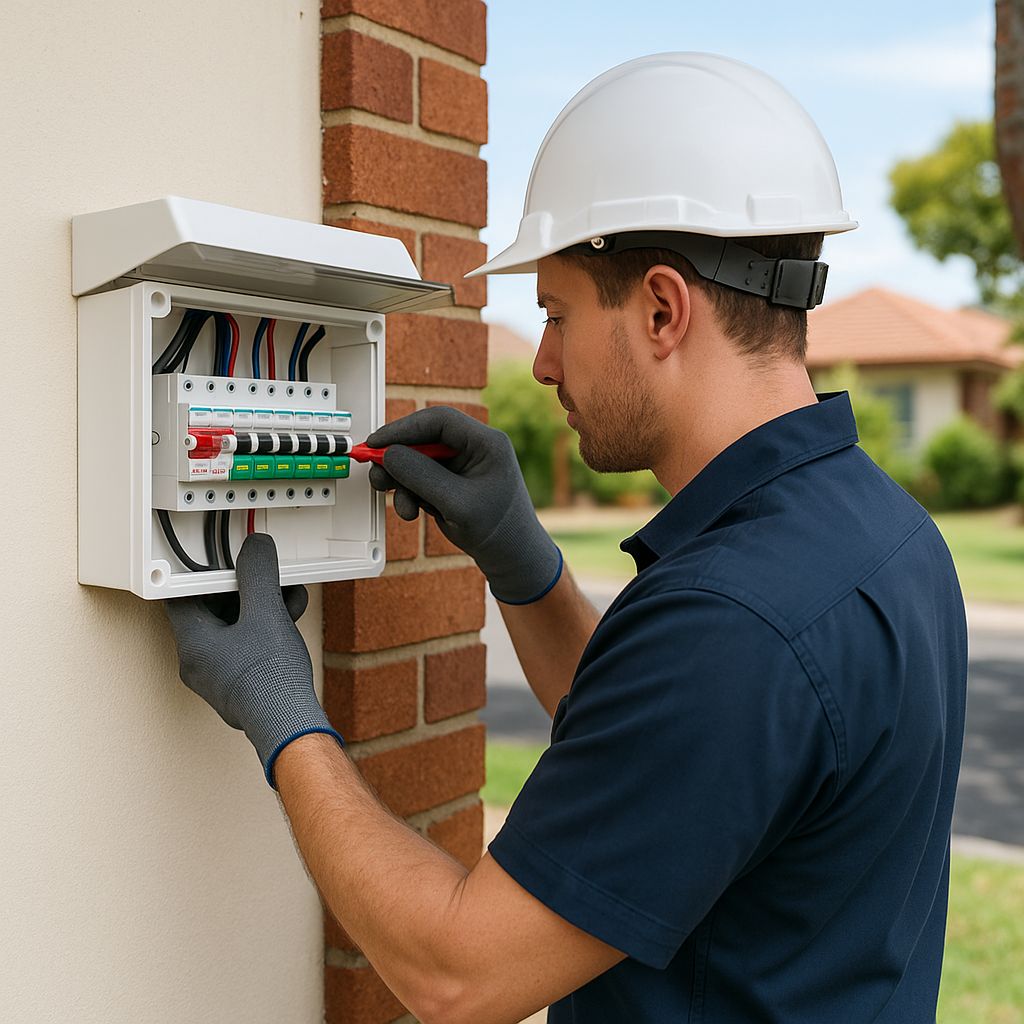
Why Resetting the Switch Is Not a Long-Term Fix
Resetting a tripping safety switch without identifying the cause is risky. While it may temporarily restore power, the underlying fault remains.
Repeated trips indicate an ongoing problem that can worsen over time. Electrical arcing, overheating, and insulation failure are all potential consequences of ignoring the issue.
When to Call a Licensed Electrician
If the safety switch trips repeatedly, trips immediately after resetting, or trips without any appliances connected, it is time to call a professional. A licensed electrician can safely diagnose the fault, carry out repairs, and ensure your system complies with Australian safety standards.