
Smart lighting control systems are one of the most practical upgrades Australian homeowners can make today. Whether you want to manage lights automatically, adjust brightness from your phone, or schedule lighting around your daily routine, these systems make it straightforward.
Beyond convenience, these systems can reduce electricity bills, strengthen home security, and add genuine value to your property. If you’re considering upgrading your lighting setup, understanding how smart lighting works and how it integrates with professional electrical services can help you make the right decision.
In this guide, we’ll explain how smart lighting technology works, its benefits, installation requirements, and why professional electrical installation is often the safest approach.
What Are Smart Lighting Control Systems?
Smart lighting control systems are advanced lighting solutions that allow users to control lights remotely through apps, voice commands, timers, or sensors. Instead of traditional switches, smart lighting uses connected technology that communicates with a home network.
These systems often include:
- Smart switches
- Motion sensors
- Mobile app control
- Voice assistant compatibility
- Automated schedules
- Dimming and colour adjustment
Unlike conventional lighting setups, smart systems allow homeowners to control multiple lighting zones from a single device.
How Smart Lighting Works
Most residential lighting automation systems operate through wireless communication such as Wi-Fi, Bluetooth, or Zigbee technology. Each light or switch connects to a central hub or home network, allowing commands to be sent from a smartphone or smart home assistant.
For example, you can:
- Turn lights on or off remotely
- Adjust brightness levels
- Create lighting schedules
- Control outdoor lighting automatically
- Integrate lighting with security systems
Professional lighting installation ensures these systems are wired safely and function reliably throughout the home.
Benefits of Smart Lighting for Your Home
Upgrading to automated home lighting offers several advantages beyond simple convenience.
Energy Efficiency
Smart lighting reduces energy waste by automatically turning lights off when rooms are empty. Motion sensors and scheduling features help minimise unnecessary electricity usage. Many homeowners combine these systems with LED lighting upgrades to maximise efficiency.
Improved Home Security
Smart lighting can simulate occupancy when you’re away from home. Lights can be programmed to turn on and off at certain times, giving the impression that someone is present.
This feature works well when integrated with home security installation systems.
Convenience and Automation
Smart lighting allows you to control your home environment without touching a switch. With a single command, you can adjust lighting across multiple rooms.
For example:
- “Good morning” scenes that gradually brighten the lights
- Movie mode that dims the living room lighting
- Bedtime routines that turn off lights automatically
Increased Property Value
Homes with modern automation features are becoming more desirable in the property market. Installing smart lighting control systems can increase appeal for potential buyers and tenants.
Types of Smart Lighting Systems
There are several types of smart lighting technologies available today.
Smart Bulbs
These bulbs connect directly to Wi-Fi or Bluetooth and can be controlled through an app. They’re easy to install but may not offer the full functionality of integrated systems.
Smart Switches
Smart switches replace traditional wall switches and control entire lighting circuits rather than individual bulbs. This is often the preferred solution for whole-home lighting automation.
Motion-Sensor Lighting
Motion sensors automatically turn lights on when movement is detected. These systems are commonly used in hallways, bathrooms, and outdoor spaces.
Whole-Home Lighting Control Systems
These advanced systems integrate multiple rooms and allow full automation across the property. They often require professional electrical services for proper installation and configuration.
Where Smart Lighting Works Best
Smart lighting control systems can be installed in almost any part of the home, but they are particularly effective in these areas:
Living Rooms
Adjust lighting levels depending on the activity, whether watching television, reading or entertaining guests.
Bedrooms
Create relaxing lighting scenes for bedtime and automated morning lighting for easier wake-ups.
Kitchens
Smart lighting improves visibility and allows dimming for evening ambience.
Outdoor Spaces
Outdoor lighting automation enhances security and makes pathways safer at night.
Home Offices
Adjustable lighting improves productivity and reduces eye strain during work hours.
Professional Installation vs DIY
While some smart bulbs are designed for simple DIY installation, integrated smart lighting control systems often require professional wiring.
Licensed electricians ensure:
- Safe electrical connections
- Correct circuit configuration
- Reliable system integration
- Compliance with Australian electrical standards
Professional lighting installation also prevents issues such as circuit overload or compatibility problems.
Integrating Smart Lighting with Other Systems
One of the biggest advantages of connected lighting is how seamlessly it works alongside other smart home technologies.
For example:
- Door Security cameras and alarms
- Home automation hubs
- Voice assistants
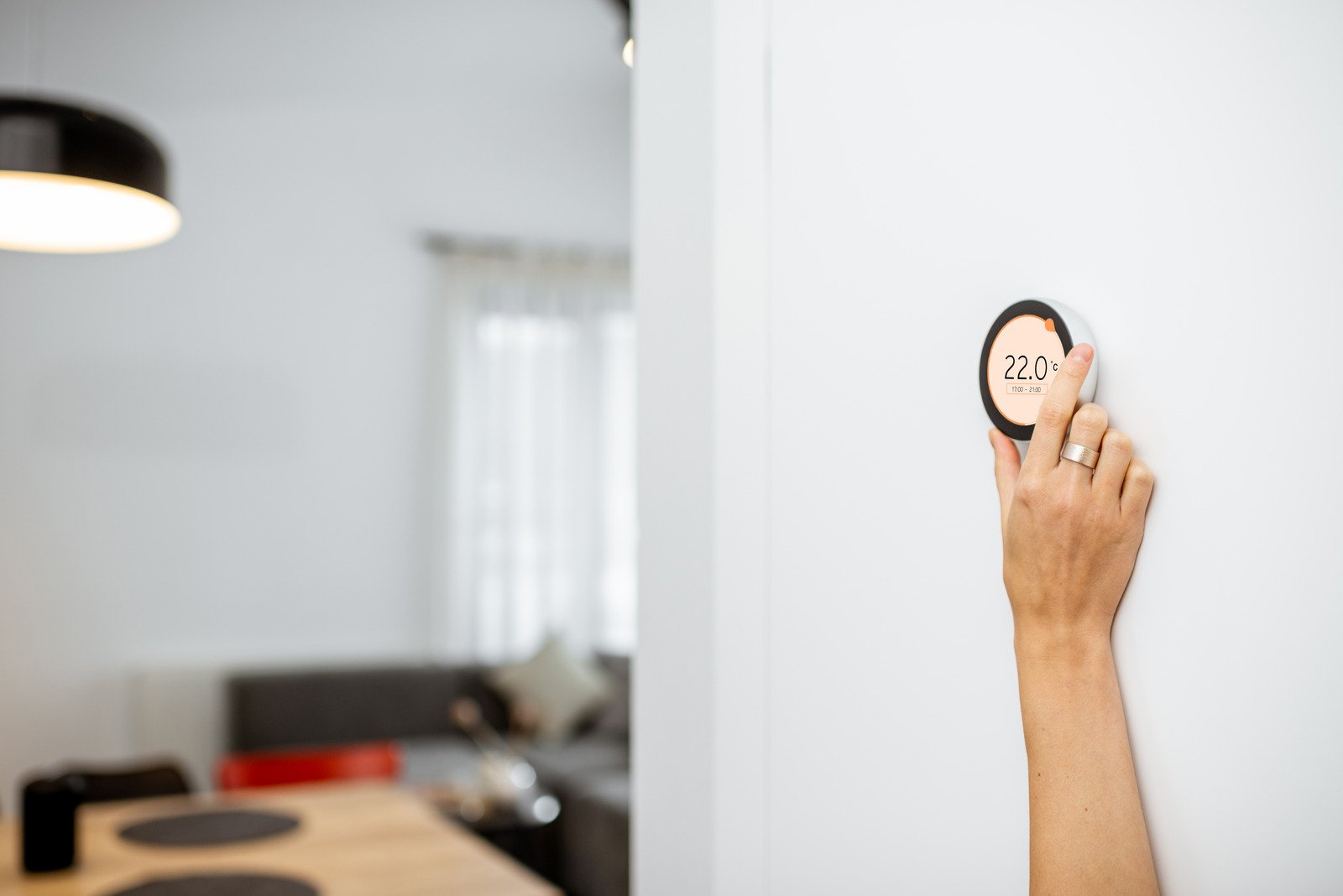
- Smart thermostats
Combining these technologies creates a more connected and efficient living environment.
Is Smart Lighting Worth the Investment?
For many homeowners, the convenience, energy savings, and security benefits make smart lighting an excellent investment.
While installation costs vary depending on system complexity, the long-term advantages often outweigh the initial expense.
Working with a licensed electrician ensures your system is installed correctly and performs reliably for years to come.


