
Installing solar panels and batteries is one of the smartest upgrades homeowners can make, but successful systems don’t start on the roof; they start at the switchboard. Proper preparation is essential to ensure your solar and battery installation operates safely, efficiently, and delivers the long-term savings you’re expecting.
In the Eastern Suburbs of Sydney, many homes range from older terraces to recently renovated properties. Each has different electrical demands, which makes switchboard readiness and load planning a critical first step before any panels or batteries are connected.
Why Preparation Matters Before Installing Solar and Batteries
Solar systems place new demands on your electrical infrastructure. Without the right preparation, you may face compliance issues, reduced performance, or costly upgrades after installation.
A professional solar and battery installation requires your switchboard to safely manage energy coming from multiple directions: the grid, solar panels, and battery storage. Planning ensures everything works together without overloads, faults, or safety risks.
Is Your Switchboard Ready?
Older Switchboards Can Be a Bottleneck
Many Eastern Suburbs homes still operate with outdated switchboards that were never designed for modern energy systems. These boards may lack sufficient circuit protection, safety switches, or space for additional components required for solar and battery systems.
Before installation, electricians assess whether your switchboard can safely support new generation equipment. This is a core part of professional residential electrical services and helps avoid unexpected delays.
Safety Switches and Circuit Protection
Modern standards require safety switches and appropriate circuit breakers to protect both people and equipment. A compliant switchboard ensures your solar system shuts down safely during faults and isolates correctly during maintenance or emergencies.
If your switchboard doesn’t meet current Australian Standards, upgrading it before installation is not optional; it’s essential.
Understanding Load Planning
What Is Electrical Load Planning?
Load planning evaluates how much power your household uses and when it’s used. This includes appliances, air conditioning, EV chargers, and future upgrades. Correct planning ensures your solar system and battery storage are sized appropriately for your lifestyle.
Poor planning can lead to systems that underperform or struggle during peak usage periods, reducing the return on your investment.
Planning for the Future
A smart solar and battery installation isn’t just about today’s needs. Many homeowners plan for future additions such as electric vehicles, home offices, or increased air-conditioning use.
Professional electricians consider these factors early, allowing your system to scale without major rework later. This forward-thinking approach is a key benefit of using experienced residential electrical services.
How Batteries Change the Equation
Battery storage adds another layer of complexity to your electrical setup. Batteries require dedicated circuits, protection devices, and careful integration with your existing electrical system.
Quality solar battery installation services ensure batteries charge efficiently, discharge safely, and communicate properly with inverters and monitoring systems. This reduces the risk of faults and extends the lifespan of your equipment.
Compliance and Local Requirements
In NSW, solar and battery systems must comply with strict electrical regulations. Local network providers may also have specific requirements for export limits, metering, and isolation points.
Working with licensed electricians familiar with Eastern Suburbs properties helps ensure approvals are smooth and systems are compliant from day one.
When to Organise Electrical Prep
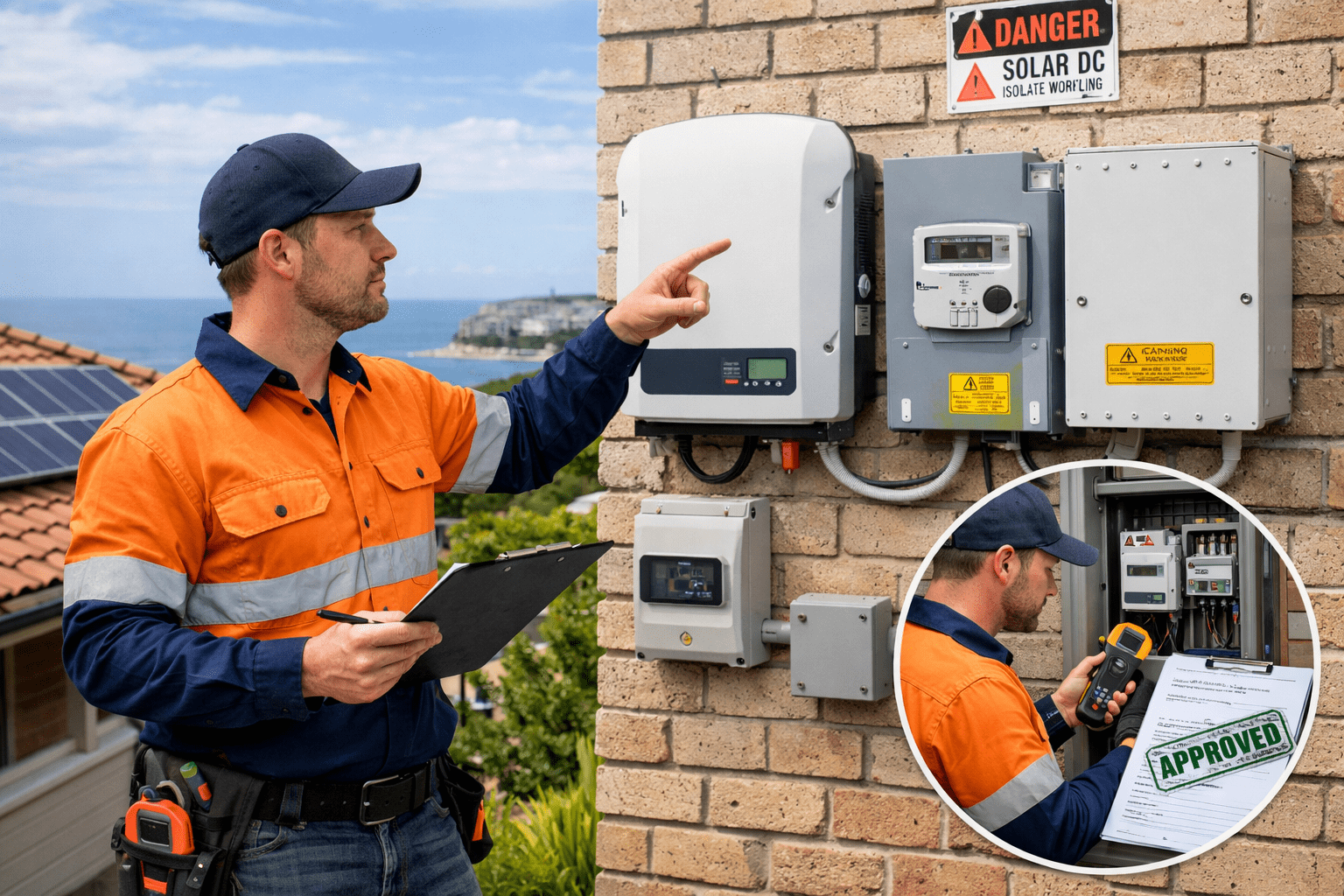
Electrical preparation should happen before solar installers arrive. Early assessments allow time for switchboard upgrades, cabling adjustments, and approvals without delaying your installation timeline.
If you’re renovating or upgrading your home, combining electrical preparation with other works is often more cost-effective and less disruptive.