
Smoke alarms are one of the simplest safety devices in your home, yet they are also one of the most commonly overlooked. For homeowners across New South Wales, meeting smoke alarm compliance requirements isn’t just about ticking a legal box; it’s about protecting lives, property, and peace of mind.
With updates to NSW legislation and stricter enforcement in recent years, understanding what compliance means and how to stay on the right side of the law has never been more important. This is especially true in areas like Sydney’s Eastern Suburbs, where many homes are older, renovated, or rented.
What Does Smoke Alarm Compliance Mean in NSW?
In NSW, smoke alarm compliance refers to meeting the minimum legal standards for the installation, placement, and operation of smoke alarms in residential properties. These requirements apply to owner-occupied homes, rental properties, and homes being sold.
At a basic level, alarms must be installed on every storey of the home and in the correct locations. However, compliance goes beyond just having an alarm on the ceiling. It also covers the type of alarm, whether it’s working correctly, and whether it’s been installed according to Australian Standards.
Failing to meet these requirements can lead to fines, insurance complications, and serious safety risks.
Why Compliance Matters More Than Ever
House fires can escalate quickly, often filling a home with smoke before flames are visible. Working smoke alarms provide early warning, giving occupants vital time to escape.
From a legal perspective, smoke alarm compliance is now closely linked to property transactions and rentals. Landlords must ensure alarms are installed and tested regularly, while sellers are required to confirm compliance before settlement. Buyers are increasingly aware of these obligations and may request documentation as part of due diligence.
For homeowners, compliance also plays a role in insurance claims. In some cases, insurers may question payouts if smoke alarms were missing, faulty, or non-compliant at the time of an incident.
Common Compliance Issues in NSW Homes
Many compliance failures happen unintentionally. These issues are commonly identified during professional smoke alarm compliance inspections. Some of the most common issues we see during inspections include:
- Alarms installed in the wrong locations
- Outdated alarms that have exceeded their service life
- Battery-only alarms where hardwired systems are required
- Non-interconnected alarms in multi-storey homes
- Alarms that haven’t been tested or maintained
Older homes and renovated properties in the Eastern Suburbs are particularly susceptible to these issues, especially where electrical upgrades have been completed over time without reassessing alarm placement.
Installation vs Compliance: Why DIY Isn’t Enough
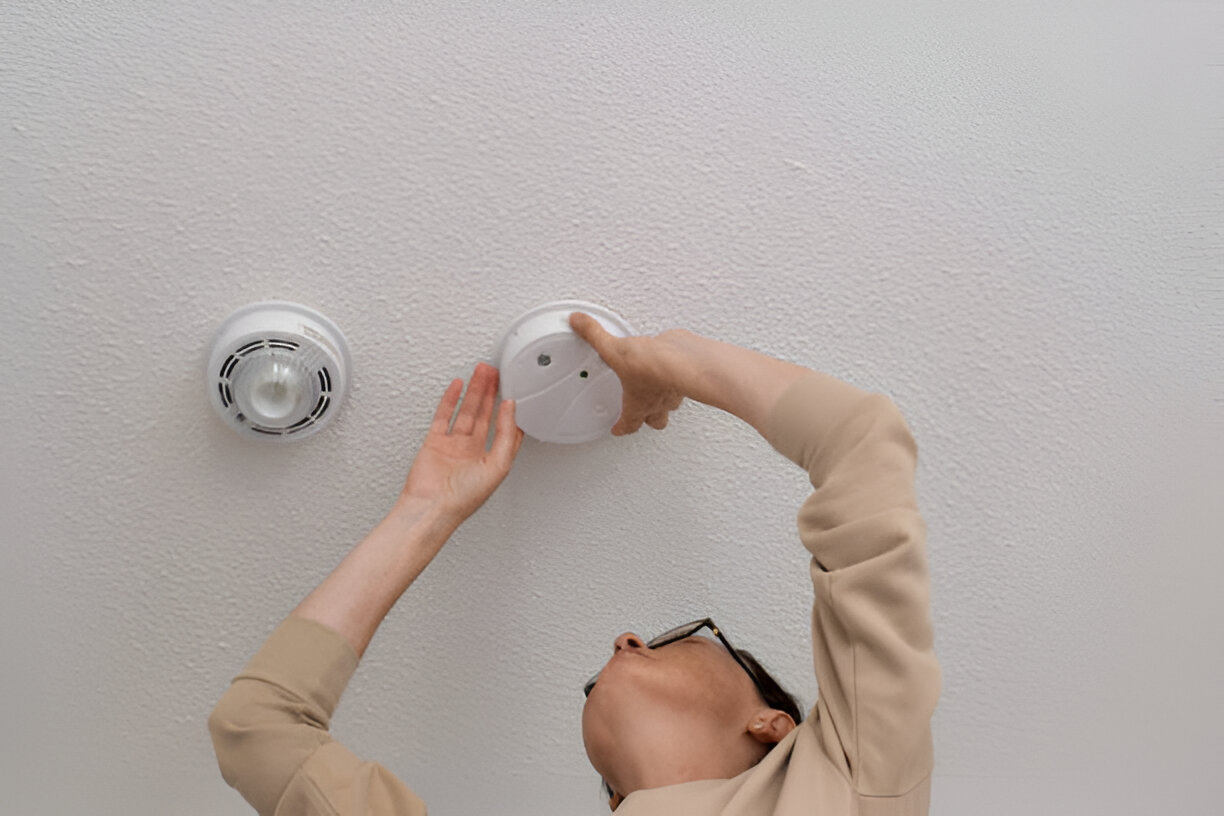
Buying a smoke alarm from a hardware store and installing it yourself does not automatically guarantee compliance. A professional smoke alarm installation service ensures alarms are positioned correctly, wired safely, and meet current NSW regulations.
Licensed electricians offering residential electrical services also check surrounding wiring, ceiling access, and power supply to ensure the alarm will function reliably during an emergency. This is especially important for mains-powered and interconnected systems, which are now the preferred standard for many homes.
When Should You Check Your Smoke Alarms?
Smoke alarms should be tested regularly, but compliance checks are particularly important during key life events:
- Before renting out a property
- Before selling a home
- After renovations or extensions
- If your home hasn’t been inspected in several years
- When alarms are approaching 10 years of age
A proactive check can prevent last-minute issues during property transactions and ensure your home is always protected.
The Role of Electricians in Compliance
Licensed electricians play a critical role in achieving and maintaining smoke alarm compliance. They understand NSW regulations, Australian Standards, and how different home layouts affect alarm placement.
They can also provide certification confirming the work has been completed correctly. This paperwork is often requested by landlords, property managers, buyers, and insurers.
Why Compliance Is a Smart Investment
Beyond legal obligations, compliant smoke alarms protect what matters most. They reduce risk, improve safety outcomes, and add value to your property. In competitive markets like the Eastern Suburbs, demonstrating compliance can also provide reassurance to buyers and tenants.


