
Electric vehicles aren’t some far-off future anymore. They’re already part of everyday life across Sydney, especially in the Inner West and Eastern Suburbs. As more drivers switch to electric vehicles, EV charger installation at home has become one of the most practical upgrades homeowners can make.
Charging at home is convenient, cost-effective, and far more reliable than relying solely on public chargers. This guide covers what you need to know before installing a home charging solution, and how professional electricians make sure everything’s safe, compliant, and future-ready.
Why Home Charging Is Becoming the New Standard
Public charging stations are improving, but they still come with limitations. Availability, charging speed, and waiting times can all be unpredictable. A dedicated home charger removes these issues completely.
With a properly installed system, your vehicle charges overnight, you pay less for electricity during off-peak hours, and your car’s ready every morning. For many households, home charging quickly becomes as normal as plugging in a phone.
Understanding Home EV Charger Options
Before booking an installation, it helps to understand the most common charging setups used in Australian homes.
Standard vs Dedicated Chargers
Some drivers rely on standard power outlets, but they’re slow and weren’t designed for regular EV charging. A dedicated wall-mounted charger delivers faster charging speeds and reduces electrical strain.
Single-Phase and Three-Phase Charging
Many homes use single-phase power, which suits most vehicles. Larger homes or high-capacity vehicles might benefit from three-phase systems, depending on what’s available.
A licensed electrician assesses your home’s electrical capacity and recommends the most suitable setup.
Electrical Requirements You Should Check First
Many Sydney homes, particularly older properties, may require switchboard upgrades before EV charger installation. A safe installation starts with checking your existing electrical setup.
Switchboard Capacity
Older switchboards weren’t designed to handle the extra load from an EV charger. In some cases, you’ll need an upgrade to keep everything safe and compliant.
Safety Switch Protection
Modern installations need dedicated circuit protection. This means the charger shuts down instantly if something goes wrong, protecting you and your property.
Load Management
Smart load management systems prevent overload by balancing power between appliances, air conditioning, and vehicle charging.
These checks are typically completed as part of professional electrical maintenance and upgrade services.
Installation Process Explained
Professional installations follow a straightforward process.
First, the electrician checks your switchboard, cable routes, and what your vehicle needs. Once approved, a dedicated circuit is installed from the switchboard to the charger location, usually in a garage or driveway.
The charger is then mounted, tested, and commissioned. Compliance testing ensures everything meets Australian Standards, and the homeowner receives certification for insurance and future property sales.
Future-Proofing Your Home for EV Growth
EV ownership is set to grow quickly over the next decade. Planning ahead means your home stays compatible with future vehicles and tech.
Homeowners often combine EV charging with:
- solar and battery systems
- smart energy monitoring
- switchboard upgrades
- general residential electrical services
Planning for future expansion now can save you a lot down the track.
Safety and Compliance Matter
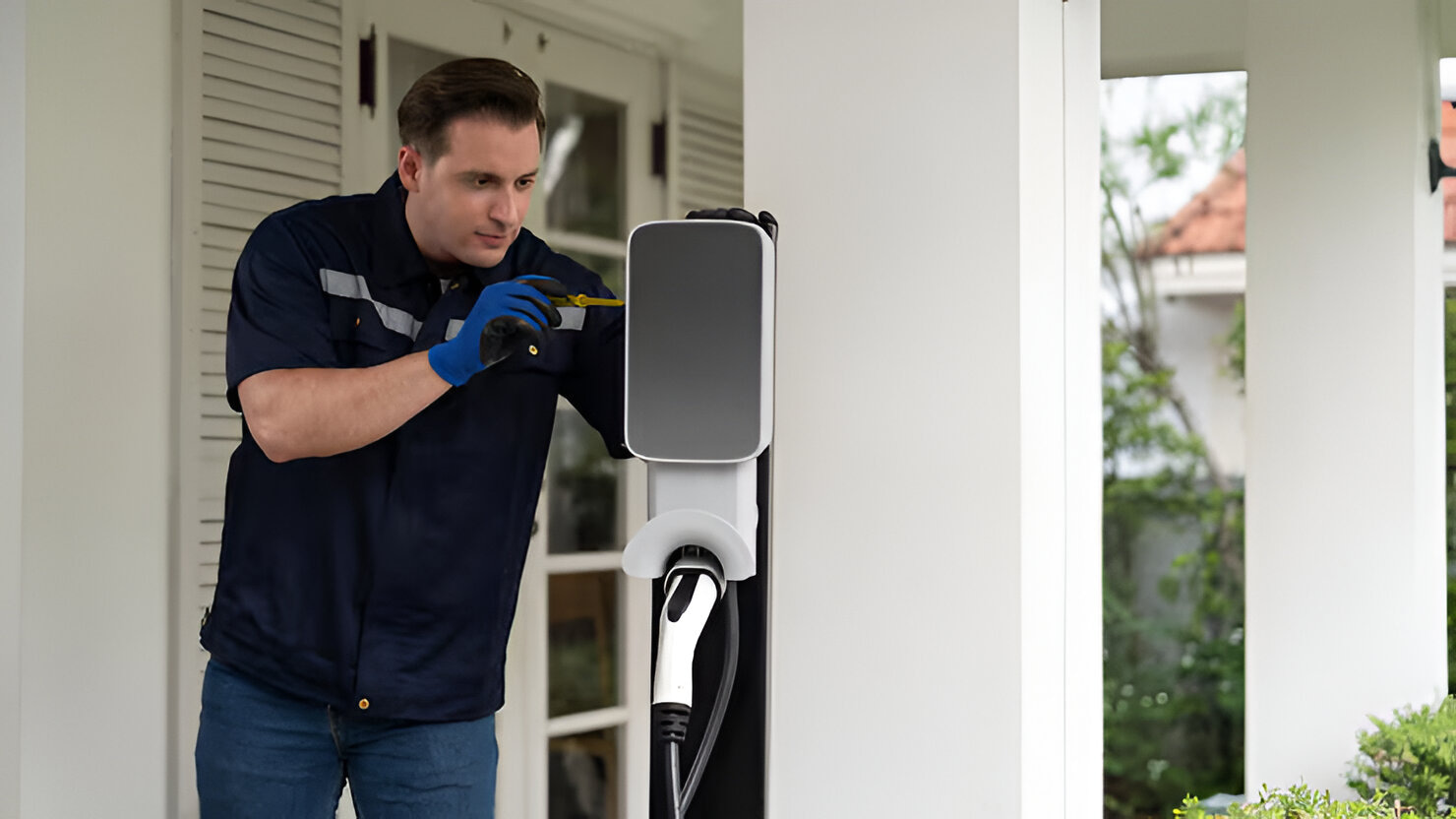
EV charging systems run high electrical loads for long periods. DIY or dodgy work increases the risk of overheating, electrical faults, and insurance headaches.
Licensed electricians ensure:
- correct cable sizing
- compliant circuit protection
- safe earthing systems
- certified installation documentation
This level of protection is essential for long-term reliability.
Is Home Charging Worth the Investment?
For most EV owners, the answer is yes. While there is an upfront cost, the long-term benefits are clear.
Home charging costs less than public fast chargers, is more convenient, and adds value to your property. Many buyers now see EV readiness as a big plus, especially in Sydney suburbs where sustainability matters.


