
For most electrical jobs around your home or business, a licensed sparky is all you need. When a light flickers or a power point fails, a standard electrician has it covered. However, there are specific, high-stakes scenarios where a standard electrical licence isn’t enough.
That’s where a Level 2 electrician (also known as an Accredited Service Provider or ASP) comes in. But what exactly is the difference, and why does the law mandate a higher level of qualification for certain tasks? This guide explores everything you need to know about Level 2 electrical work, the costs involved, and the specific triggers that mean you need to pick up the phone.
1. What is a Level 2 Electrician?
To understand when you need a Level 2 electrician, you first need to understand the Australian electrical hierarchy.
Standard (A-Grade) Electricians
Most qualified electricians are licensed to perform “point of consumption” work. This includes everything inside your home or business, such as installing power points, rewiring a kitchen, or performing a switchboard upgrade. They work on the house side of the electricity meter.
Level 2 Electricians (ASP)
A Level 2 electrician is an Accredited Service Provider who is authorised to work on the “service provider” side of the network. They bridge the gap between the local electrical grid (the poles and wires in the street) and your private property. They are qualified to handle live high-voltage connections, underground and overhead service lines, and advanced metering.
In states like New South Wales and the ACT, this is part of the ASP scheme. In other states, similar high-level authorisations exist to ensure that anyone touching the main grid is specifically trained to handle the immense risks involved.
2. Key Scenarios: When to Call a Level 2 Electrician
Four primary categories of work strictly require a Level 2 electrician. If you attempt to have a standard electrician perform these tasks, they will likely decline the job, as it is illegal and dangerous for them to proceed.
A. Disconnecting and Reconnecting (D&R)
If you are planning a major renovation that involves moving a switchboard or demolishing a section of a house, the power needs to be physically disconnected from the street. A Level 2 electrician is the only one authorised to “cut the tags” and safely disconnect your property from the network, and later reconnect it once the work is complete.
B. Overhead Service Lines
Look up at your house. Do you see wires running from a pole on the street to a “point of attachment” on your roof? These are overhead service lines.
- Damaged Lines: If a storm brings a branch down on these wires, a Level 2 electrician must repair them.
- Upgrading Capacity: If you are installing multiple high-power air conditioners or a large solar array, you may need to upgrade these wires to “three-phase power” to handle the increased load.
C. Underground Service Lines
Many modern Australian suburbs use underground power for a cleaner aesthetic and better storm protection. If you are building a new home or converting your overhead supply to underground (a common “street appeal” upgrade), a Level 2 electrician manages the excavation, conduit installation, and the final connection to the “pillar” or “turret” on the nature strip.
D. Advanced Metering and Switchboards
While a standard electrician can install a circuit breaker, a Level 2 electrician is often required for:
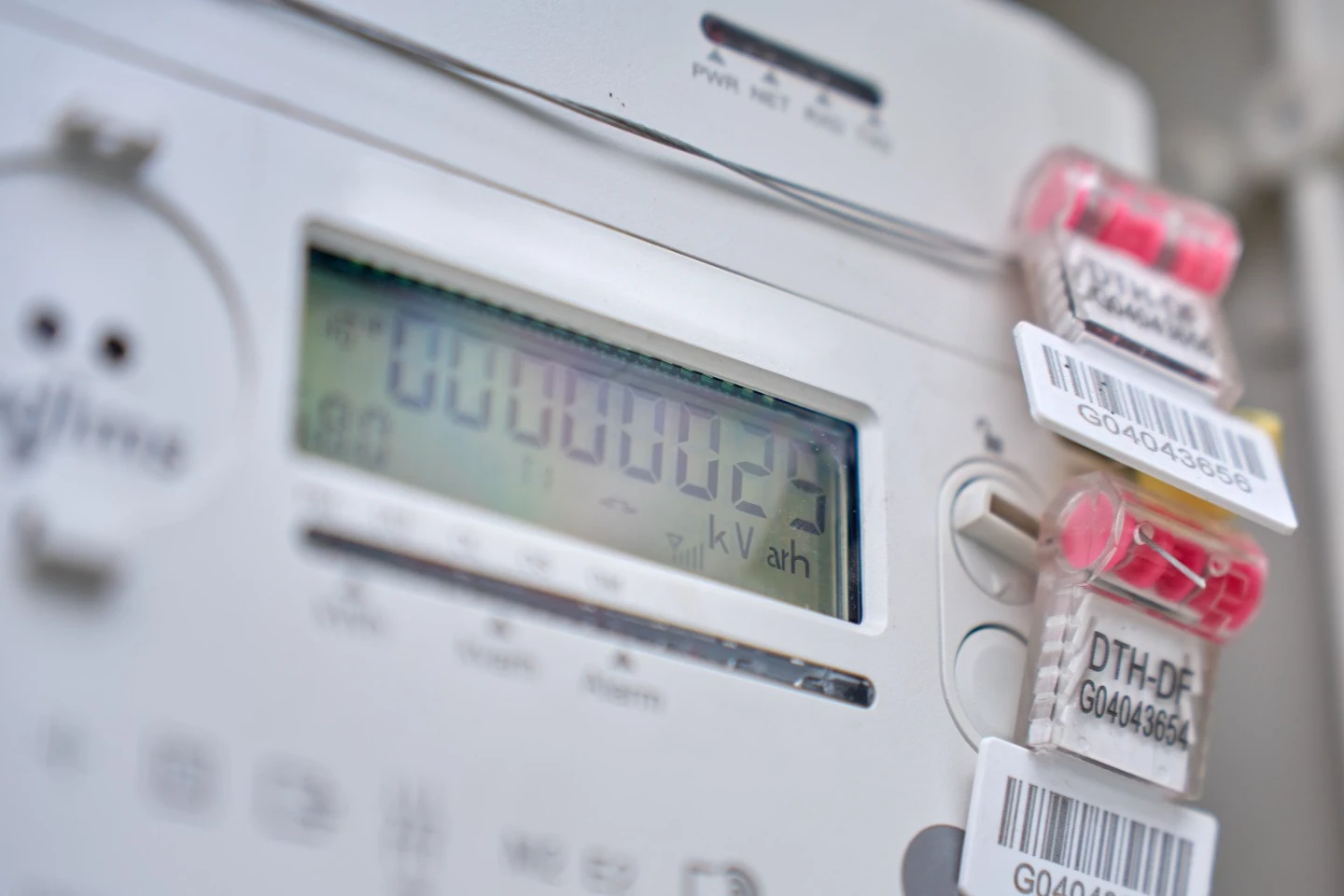
- Smart Meter Installation: Upgrading old analogue meters to digital smart meters.
- Solar Metering: Ensuring your meter can “net-meter” (track electricity you send back to the grid).
- Defect Rectification: If a network provider (like Ausgrid, Endeavour, or Evoenergy) issues you a “Defect Notice” because your point of attachment or private pole is unsafe, only a Level 2 pro can clear that notice.
3. The Power of Three-Phase Upgrades
One of the most common reasons a homeowner seeks a Level 2 electrician is for a three-phase power upgrade. Most older Australian homes run on “single-phase” power, which is sufficient for lights, a fridge, and a TV.
However, energy demands have grown considerably in recent years. You likely need a Level 2 electrician to upgrade you to three-phase power if you are:
- Installing a powerful Electric Vehicle (EV) fast charger.
- Running a large ducted air conditioning system.
- Operating heavy machinery in a home workshop or commercial garage.
- Installing a solar system larger than 5kW–7kW (depending on local network rules).
4. Private Power Poles: Your Responsibility
In many rural or large residential blocks, the electricity doesn’t go straight to the house. It goes to a “private pole” (or “A-pole”) on your property first.
Under Australian law, the homeowner is responsible for the maintenance of this pole. If the pole is leaning, rotting, or rusted, it poses a massive bushfire risk. A standard electrician cannot replace this pole; you must hire a Level 2 electrician to install a new steel or timber pole and safely migrate the live high-voltage lines.
5. Safety and Legal Compliance
Why is the distinction so strict? It comes down to fault current.
Inside your house, if a wire shorts out, the circuit breaker trips. But the wires connecting your house to the street have no “house-side” fuse. If something goes wrong while working on those lines, the amount of energy released is explosive and almost always fatal.
A Level 2 electrician uses specialised insulated hand tools, wears Category 4 arc flash clothing, and follows strict “Permit to Work” protocols.
Insurance and the COES
After any Level 2 work, you must receive a Certificate of Electrical Safety (COES) or a Compliance Certificate. This is your proof that the work was performed by a licensed ASP. Without this:
- Your insurance company can deny fire claims.
- The network provider can legally disconnect your power until a pro inspects it.
6. How Much Does a Level 2 Electrician Cost?
Because of the increased insurance premiums, specialised equipment, and higher level of risk, a Level 2 electrician will have a higher call-out fee and hourly rate than a standard electrician.
- Standard Sparky: Usually $80–$120 per hour.
- Level 2 Electrician: Usually $150–$250 per hour, plus “Level 2 Authorisation Fees” which are paid to the network provider.
While the cost is higher, the investment ensures that your connection to the Australian grid is stable, legal, and safe for decades to come.
7. Preparation Checklist for Your Level 2 Visit
If you’ve determined you need a Level 2 electrician, follow these steps to ensure a smooth service:
Step | Action | Why? |
1 | Locate your Meter Box | The electrician needs clear access to the meters and main switch. |
2 | Check for “Defect Notices” | If you have a letter from the grid provider, have it ready. |
3 | Notify Neighbours | If power needs to be cut to a shared pole, neighbours may lose power briefly. |
4 | Clear the Point of Attachment | Ensure there are no branches or obstructions near where the wires hit the roof. |


